Maternity Incontinence Prevention And Therapy Techniques
Is Bladder Leakage Long-term After Childbirth? Because of this, even more injury can be done to the tissues, possibly leading to long-term damage and ultimate incontinence. Urinary incontinence-- when the body can not regulate peeing, either partially or completely-- is extremely typical during pregnancy and postpartum. During pregnancy, it's an outcome of added weight and pressure on the bladder and pelvic flooring, and can proceed or intensify after distribution if there's considerable tearing during birth. Stress and anxiety urinary system incontinence results when intra-abdominal pressure overrides urethral closure pressure, unwillingly launching urine. Jolting activities like running, hopping, or climbing up stairways increase abdominal stress. Relaxin is a hormonal agent that unwinds your muscle mass in preparation for labor. A pelvic flooring that's looser and softer, which leads to less control of your bladder. Information on each research was removed in a standard information extraction kind, based upon the Cochrane Public Wellness Information Removal and Assessment layout [18] To analyze the threat of prejudice, the Joanna Briggs vital evaluation device for researches reporting prevalence information was utilized [19, 20] The list contains nine questions, with the response choices yes, no, uncertain or not appropriate. Overall threat of study predisposition was ranked as reduced (defined as 8-- 9 standards answered as 'yes'), modest (4-- 7 requirements answered as 'yes') or high threat (≤ 3 requirements addressed as 'yes'). The reaction option not applicable (periodically racked up in requirements 5) was taken into consideration to be a 'yes'.
If the volunteer pushing component of labor can be limited to much less than one hour, researches reveal a reduced occurrence of injury to the nerves and muscular tissues of the hips.
But preventing your beloved running falls short to repair foundational instabilities perpetuating problems lasting.
You and your infant must stay moisturized by alcohol consumption a minimum of six to 8 glasses of fluids daily to preserve a healthy and balanced pregnancy.
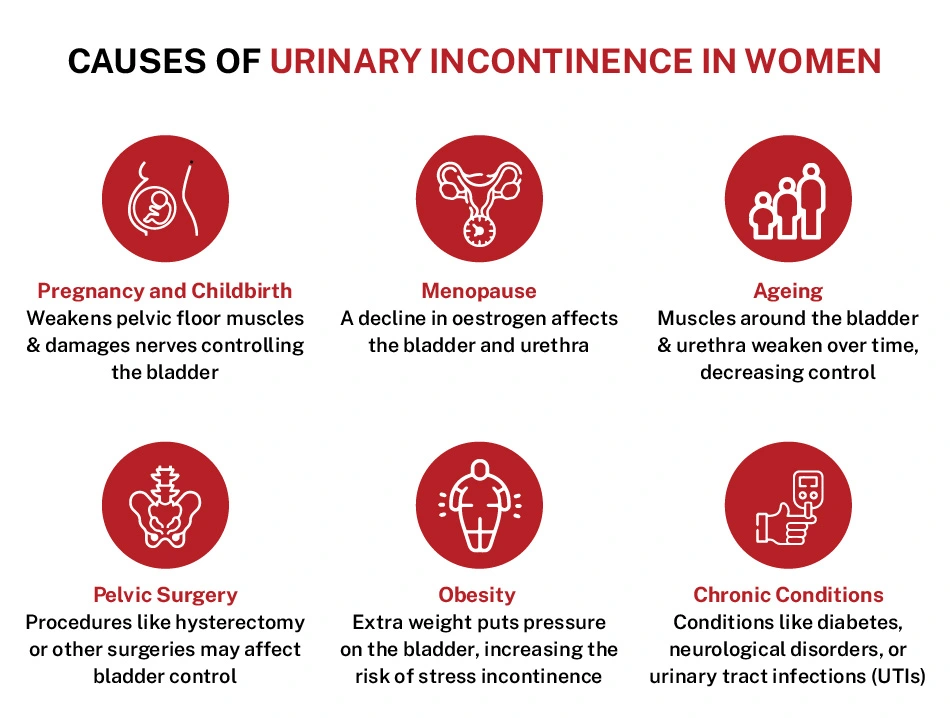
This is since reproductive health events unique to ladies, like pregnancy, childbirth, and menopause, influence the bladder, urethra, and various other muscular tissues that support these body organs.
Treatments For Postpartum Urinary System Incontinence
Surprisingly, a lengthened labor or pushing stage before a cesarean is carried out makes it likely nerve damages has actually already happened even if the baby is eventually provided by cesarean. Over time and with age, the typical supporting tissues of the bladder, anus and uterus weaken, including in the effect of childbirth injury. Throughout the onset of maternity, blood flow to the kidneys can enhance by 35 to 60 percent. This added blood circulation can make the kidneys create up to 25 percent more urine soon after conception. Increased pee production is at its height at 9 to 16 weeks of maternity and tapers down from there.Do you leakage some pee every single time you cough, sneeze, work out, or laugh?
Can postpartum bladder prolapse heal itself?
The trouble likely won't go away by itself and may worsen in time without treatment. We normally advise beginning with conventional treatment methods whenever possible. Pelvic flooring therapy and Kegel exercises might be all you need to recover your pelvic area to deal with placing.
Thick irregular elastin-rich connective cells called endopelvic fascia secures organs/muscles in ideal positioning. Nonetheless, Behavioral therapy there are points you can do to assist handle it during your maternity. With the appropriate information and assistance, you can lower or quit bladder leakages. Naturally, there may be additional difficulties or health and wellness issues that need medical aid.
Kegel Workouts
This can eventually lead to going down of the pelvic body organs (known as pelvic body organ prolapse) or urinary incontinence. Urinary incontinence (UI) is the problem of uncontrolled loss of urine [1] The primary subtypes of UI are tension (S) UI, necessity (U) UI and combined (M) UI. Maternity and genital delivery are well-documented risk aspects for establishing UI [3-- 5] It happens when tasks like laughing, sneezing, or workout taxed your bladder. This sudden, raised pressure reasons small amounts of pee leakage. Urinary system urinary incontinence also becomes more common as a woman ages-- especially during Learn here menopause. During menopause, changes in estrogen combined with years of wear-and-tear on your pelvic flooring muscle mass make tension urinary incontinence more likely.