Postpartum Urinary Incontinence: How To Take Care Of Loss Of Bladder Control After Birth
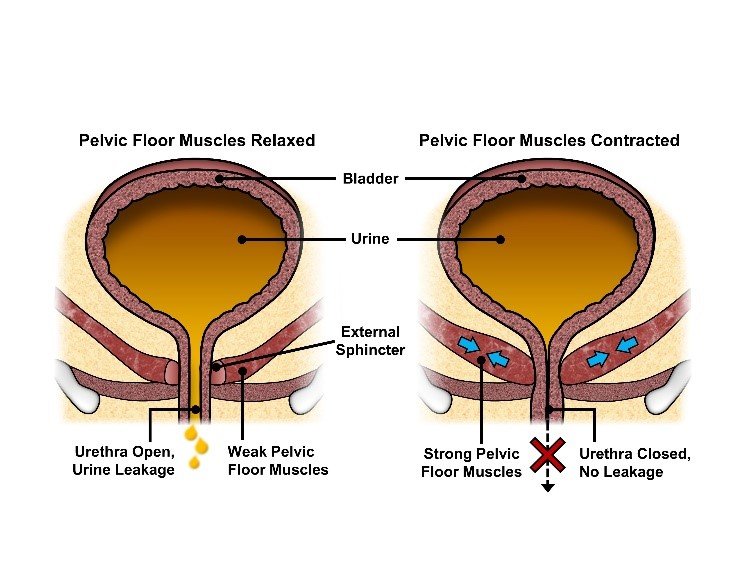
Postpartum Urinary System Incontinence: Exactly How To Manage Loss Of Bladder Control After Birth This means you might not have the ability to hold as much pee as you age. If you have urge urinary Nocturnal enuresis incontinence, drug could help eliminate your signs. We may suggest drugs to unwind your bladder and decrease your over active bladder signs. Get in touch with your healthcare provider prior to starting any type of brand-new exercise routine or returning to tasks after delivering. Urinary system urinary incontinence is an usual trouble, especially for females, and it's absolutely nothing to be humiliated around. Your doctor can help identify whether these therapies are appropriate based upon your signs and symptoms and goals. The expert might be a urologist, who treats urinary system troubles in both males and females, or a urogynecologist, who has special training in the female urinary system. You might also require to see a pelvic flooring specialist, a sort of physiotherapist, who will certainly collaborate with you to strengthen your pelvic floor muscle mass that support the urinary system. Postpartum irregular bowel movements can strain pelvic floor muscle mass, which might result in bladder control issues or make tension incontinence even worse. To aid stop constipation, eat even more fiber, stay hydrated, and prevent straining on the commode, recommends Dr. Marquez. Rather, position a small stool or box below your feet so your knees rest more than your hips. Bladder leakage resulting from labor and delivery has a tendency to lessen after the muscle mass have had time to recover. Be patient and learn the steps you can require to make the procedure go faster. These pelvic floor exercises target details muscular tissues and features associated with bladder control to aid handle Pelvic floor therapist postpartum urinary system incontinence and avoid dripping urine and bladder problems after giving birth.
Whatever You Need To Learn About Postpartum Urinary Incontinence
A support group can aid you in bumpy rides when you can't get out of your house with your child.
The connection in between urinary incontinence and giving birth has actually been thought for a long time.
Postpartum urinary incontinence is spontaneous leaking of pee that can occur after pregnancy and childbirth.
As every woman that supplies a youngster recognizes, labor and distribution subject the body to forces that are not run into in any various other scenario. As the child's head comes down into the hips, it presses versus the muscle mass that line the inside of the hips. The further down the baby's head goes into the hips, the higher the pressure against these muscle mass and underlying nerves. Episiotomy is a current technique, designed in order to substitute a right, clean, easy-to-repair medical cut for the rugged tear that may otherwise occur. Reducing this cut is also meant to shorten labor by providing the infant's head more space so delivery could be less complicated and quicker. It was thought that faster delivery would certainly decrease the risk of injury to the mother's bladder, and would certainly be gentler for the baby's head. Nevertheless, research studies show no proof that these assumptions hold true.
Postpartum Urinary System Incontinence: What To Do About Loss Of Bladder Control After Childbirth
Can postpartum bladder prolapse recover itself?
The issue most likely won't vanish by itself and might aggravate over time without therapy. We normally suggest beginning with conservative treatment strategies whenever feasible. Pelvic floor therapy and Kegel workouts might be all you need to restore your pelvic location to fix placing.
The two most usual sorts of urinary incontinence that influence women are stress incontinence and advise incontinence, likewise called overactive bladder. This may be since maternity, giving birth, and menopause may make urinary incontinence more probable. Urinary urinary incontinence is not a typical part of aging, and it can be dealt with. Pregnancy and childbirth are tough on the body and can influence more than your uterus. The excess weight from your expanding infant can tax your bladder and other bordering body organs, typically weakening the muscles that control pee circulation, the pelvic floor muscle mass. While cesarean births reduce some threats, they do not totally shield versus postpartum incontinence. Pregnancy itself deteriorates the pelvic floor prior to shipment, and the weight of the child still positions extended stress on the pelvic location. If you discover yourself wishing to manage your anxiety incontinence or improve your pelvic floor stamina after distribution however seem like you do not have the time with your new infant, attempt some of these tips. You can even get a personal instructor for your pelvic floor muscular tissues. Pelvic flooring physiotherapists concentrate on pelvic floor conditions, specifically prenatal and postpartum. As the head comes out, the pressures can actually tear the ligaments that secure the pelvic supporting muscles to the pelvic bones. Often the muscular tissue near the beyond the vaginal canal is intentionally reduced by the physician to assist speed up the distribution. We now recognize this cut, called an episiotomy, increases the risk of anal incontinence.